Hero Section Headline (Company's Main Problem it solves)
Supporting Claims and Statements
Quick Company Story to validate and further explain it's mission and who its for.

Sign up for our Emails
Get product and service information and special offers, links to valuable resources, educational tips and tricks, and company updates
Start Here
Begin the journey to understand how we solve our primary pain.
Upcoming Event Announcement
Blurb about your next big event
Join Our Community
A great place to request or discuss everything about what we do, how we can help with your problems, find like-minded individuals for discussion, make requests of our company, and stay on top of the latest announcements.
Features/Benefits/Services
What we do here is this stuff. Consider neat pics for each of these segments too.
Here's our first service
Here's our second service
Here's our third service
In conclusion, all this stuff can really benefit you in this way.
Our Services
We are a General Company Offering
We Do This
Describe
And We Do This
Describe
We Also Do This
Describe
Don't Forget About This
Or we might
And We Can Also
When you want it
Most Really Need
This service
But We're Best At
Doing this stuff
If You Want
We can also achieve you this
Ah the GOOD Stuff
That's the stuff right there
FAQ
Your Title Here
Lorem ipsum dolor sit amet, consectetur adipisicing elit. Autem dolore, alias, numquam enim ab voluptate id quam harum ducimus cupiditate similique quisquam et deserunt, recusandae.

Your Title Here
Lorem ipsum dolor sit amet, consectetur adipisicing elit. Autem dolore, alias, numquam enim ab voluptate id quam harum ducimus cupiditate similique quisquam et deserunt, recusandae.
Your Title Here
Lorem ipsum dolor sit amet, consectetur adipisicing elit. Autem dolore, alias, numquam enim ab voluptate id quam harum ducimus cupiditate similique quisquam et deserunt, recusandae.
See What Customers are Saying about Company/Program/Owner
First Video Testimonial
Owner of whatever it is
Offering some of the most this and that and the other things


(Paraphras the above video)
All kinds of good stuff that just got said
~Person claiming it all
Then These




Other Testimonials
The Company Story
Label the Story
Why we do what we do
Long Company origin
Meet the Owner
Lorem ipsum dolor sit amet, consectetur adipisicing elit. Autem dolore, alias, numquam enim ab voluptate id quam harum ducimus cupiditate similique quisquam et deserunt, recusandae.
Who We Are
Featured Team Member
Blurb About them.
Statement BY them.
Featured Team Member
Blurb About them.
Statement BY them.
Featured Team Member
Blurb About them.
Statement BY them.
The Latest Company Blogs

Blogging for Your Business
Blogging for Business: Get Results in 2 Months (Not 6)
TL;DR
Blogging for business works—but only if you do it consistently. After 2 months of blogging 2x/week, I saw real growth (way faster than the "3-6 months" everyone promises). The secret: blog at least weekly, answer questions your prospects actually ask, do proper keyword research, and make your content 5-10% better than what's already ranking. Most businesses fail because they blog once a month or post 2 articles and quit. Commit to weekly posts for 3 months minimum. I can create an SEO-optimized post in 2 hours—here's my exact process and what actually works for service businesses.
Let me tell you something that surprised the hell out of me about blogging for business.
Everybody says SEO takes 3 to 6 months to kick in. Maybe less, maybe more. It's the standard timeline you hear everywhere. After 2 months of consistent blogging twice a week, I started to see real growth. Actual traffic. Real leads. I've NEVER had that happen to me before.
And I've been doing this marketing thing for a while at AdWise Creative.
Here's what I learned: most of the "rules" about business blogging are designed to get you started, not to get you results. If you want your service business to actually benefit from blogging for business, you need a different approach.
Why Business Blogging Is Essential for Service Companies
You know you should be blogging for your business. Everyone tells you that. Your competitors probably have blogs (though if you actually look at them, they probably have 2 posts from August 2024 gathering digital dust).
But here's what stops most service business owners:
"I don't have time for this." You're running a service business. Between client work, operations, and everything else, who has 4 hours to write a blog post?
"What would I even write about?" You're great at what you do, but turning that into blog topics feels like pulling teeth.
"Who would even read my blog?" This is the big one. You're not a thought leader or influencer. You're just trying to get more clients.
I get it. I felt the same way. But here's what changed my mind: blogging for business is the least expensive ($0) marketing you can do, and most people don't touch it. That means there's opportunity.
Why Most Business Blogging Fails (And It's Not What You Think)

I've seen so many service business websites with a "BLOG" page. I go check it out and they have 2 blogs from two years ago, or 3 blogs in a row from 2023.
The problem isn't that blogging doesn't work. The problem is consistency.
Here's the worst blogging advice I ever followed: "Blog once a month to get in the habit."
That's way too slow to see results or benefits. By the time you hit 12 posts a year later, you've forgotten why you started. You haven't built momentum. You haven't seen results. So you quit.
Minimum frequency: every other week (26 posts per year). Better yet, once a week (52 posts per year).
For AdWise Creative, I went aggressive—2x per week. Full transparency: after 2 months I stumbled during Thanksgiving/Christmas/New Year. In those 4 weeks I did 3 or 4 blogs instead of the 8 I planned. But here's the thing: I didn't quit. I got back on track.
Most people can't sustain 2x per week, and that's fine. But once a week? That's doable. And that's where you start seeing results.
What Makes Blogging Actually Work for Service Businesses
Forget the generic "10 benefits of blogging" lists. Here's what actually matters when you're using blogging as a marketing tool:
It Answers the Questions Your Prospects Are Already Asking
Your sales conversations probably repeat themselves. You explain the same things to every prospect. You answer the same objections. You clarify the same misconceptions.
Those are your blog topics.
When someone Googles "how to [thing you help with]" and finds YOUR blog post answering it perfectly, you've just pre-sold them. By the time they call you, they already trust you.
It Positions You as the Expert (Without Being Salesy)
People don't buy from strangers. They buy from people they trust. When someone reads your blog and thinks "wow, this person really knows their stuff," you've built trust before you've even spoken.
This is especially powerful for service businesses where expertise matters. You're not selling widgets—you're selling your knowledge and ability to solve problems.
It Brings Consistent Traffic to Your Website
Here's the math: if you blog once a week for a year, you have 52 chances to rank in Google. Each post is another door someone can walk through to find you.
More content = more indexed pages = more search visibility = more traffic = more leads.
It compounds over time. That post you wrote 6 months ago? Still working for you. Still bringing in traffic. Still generating leads.
It Builds Your Email List on Autopilot
Every blog post is an opportunity to capture emails. When you offer something valuable related to your post (a checklist, template, guide), people will trade their email for it.
Then you can nurture those leads over time instead of hoping they remember you when they're ready to buy.
How to Create Business Blog Posts That Actually Rank

I can create a complete, SEO-optimized blog post in about 2 hours. Here's exactly how I do it at AdWise Creative:
Step 1: Keyword Research for Business Blogging (10-15 minutes)
There's no use writing a blog nobody is looking for. I answer questions my prospective clients are actually asking.
I use Ubersuggest and Answer the Public to find:
What people are searching for
What questions they're asking
What problems they're trying to solve
This takes 10-15 minutes and saves you from wasting hours writing content nobody wants.
Pro tip: Don't know what your prospects are thinking? I created a free guide called "Cracking the Code" that shows you three ways to figure out exactly what questions your prospects are asking, then turn those into blogs and videos.
Step 2: Competitive Research (20-30 minutes)
Once I pick my keyword/topic, I search for the top 3-4 blogs already answering that question. These are the articles I have to beat to rank.
I check:
Their word count
Their keyword usage
Their H1, H2, and H3 tags
The structure and flow
Then I create an outline using all their headings, deleting duplicates. This shows me what topics I need to cover to compete.
Step 3: Make It 5-10% Better (60-90 minutes)
If the #1 blog has 2,000 words, I write 2,050-2,100 words. If they use the keyword 6 times, I use it 7 times. If they have 3 examples, I include 4.
I research the common sections with AI for speed and accuracy. Then I write the personal sections from my own experience—this is what makes my content unique and impossible to replicate.
Step 4: Add SEO Elements (10-15 minutes)
The technical stuff matters:
Title tag, meta description, and H1 must all align with my main keyword
Sprinkle in H2 tags with secondary keywords
Add images with proper alt text
Include internal links to other relevant posts
Total time: about 2 hours from start to finish. (Sometimes the images take longer than the writing, which is annoying, but that's life.)
What I've Learned About Blogging for Business
After months of consistent blogging for my service business, here's what actually works:
The "How-To" Posts Win
I've noticed that explanatory, teaching posts perform better than philosophical "here's why you should care" posts. People want nuts and bolts. They want actionable steps.
The foundational understanding posts are necessary, but give people something they can implement today.
Consistency Beats Perfection
You don't need perfect posts. You need consistent posts.
Done is better than perfect. Published beats polished. A good post that exists beats an amazing post you never finish.
You'll Learn As Much As Your Readers
Here's something nobody tells you: writing blogs makes YOU smarter about your own business.
I thought I was fairly versed in certain topics. I was surprised at how little I actually knew when I had to explain it clearly. The research I do for blogs has made me better at what I do. It helps me as much—if not more—than the people reading my content.
How to Use AI for Business Blogging
I use AI for this exact blog post. But here's how: I use it for research and structure to make sure I don't miss important points. Then I add my personal take, my real experiences, my contrarian opinions. That's what makes it original and unique.
AI can help you write faster. It can't help you write something only you could write.
The Three Things That Actually Matter
If you take nothing else from this post, remember these three things:
1. Consistency above all else. Keep doing it at the same cadence (weekly is ideal) and it will kick in. You won't see results in week 2. You'll see them in month 2, month 3, month 6. But only if you keep going.
2. Do your research. From keyword research to competitive analysis to topical research with AI—do it all. Don't just write what sounds good. Write what people are actually searching for.
3. Don't be afraid to learn. You'll discover gaps in your knowledge. You'll realize you don't know as much about certain topics as you thought. That's GOOD. Fill those gaps. It makes you better at your business and better at serving clients.
Getting Started with Blogging for Your Service Business
Most service businesses know they should be blogging. But knowing and doing are different things.
If you're serious about using blogging to grow your service business, here's what I recommend:
Start with one post per week. Pick a day. Block the time. Make it non-negotiable.
Focus on answering real questions. Not what you think is interesting, but what your prospects are actually asking.
Commit to 3 months minimum. You won't see magic in week 1. But if you publish consistently for 12-15 weeks, you'll start seeing traction.
And if you want help setting up a blogging system that actually works for your service business (without juggling multiple tools or agencies), let's talk. At AdWise Creative, blogging is one component of our simple, scalable marketing system that consistently brings in clients.
Schedule a call to explore business blogging services →
Because here's what I know for sure: blogging for business works. It always has. It just requires consistency and the right strategy.
And unlike paid ads that stop working the second you stop paying, your blog posts keep working for you, bringing in traffic and leads months and years after you publish them.
That's the kind of marketing asset worth building.
Frequently Asked Questions
How long does it really take to see results from blogging?
Everyone says 3-6 months, but I started seeing growth after 2 months of consistent posting (2x/week). Your mileage may vary, but with weekly posting and proper keyword research, expect to see traction around the 2-3 month mark. The key word is "consistent"—sporadic posting won't cut it.
How often should I actually blog?
Minimum: every other week (26 posts/year). Recommended: once per week (52 posts/year). Aggressive: 2x per week (104 posts/year). Once a month is too slow to build momentum or see results. Pick a frequency you can sustain for at least 6 months.
What if I'm not a good writer?
You don't need to be Shakespeare. You need to be helpful. Write like you talk. Answer questions clearly. Use AI for research and structure, then add your personal experience. That's what makes it unique. Most "bad writing" is just trying too hard to sound professional.
How do I know what to write about?
Answer the questions your prospects ask in sales calls. Use keyword research tools (Ubersuggest, Answer the Public) to see what people are searching for. Look at competitor blogs. Download my free guide "Cracking the Code" for three specific methods to identify exactly what your audience wants to know.
How long should my blog posts be?
Look at what's currently ranking for your target keyword. If the top post is 2,000 words, write 2,050-2,100 words. Make your content 5-10% more comprehensive than what's already ranking. Generally, aim for 1,500-2,500 words for service business blog posts.
Do I really need to do keyword research?
Yes. There's no point writing a blog post nobody is searching for. Keyword research takes 10-15 minutes and ensures you're creating content people actually want. It's the difference between writing into the void and writing content that brings in leads.
What if I miss a week?
Life happens. I planned 8 posts during the holidays and only published 3-4. The key is getting back on track, not being perfect. One missed week won't kill your momentum. A month of missed weeks will. Get back to your schedule as soon as possible.
Can I outsource my blogging?
You can, but the posts that perform best include your real experience and perspective. Consider a hybrid: outsource the research, outline, and first draft, then add your personal insights and examples. That's how you get both efficiency and authenticity.
How do I promote my blog posts?
Share them on your social media channels, include them in your email newsletter, link to them in relevant conversations with prospects, and reference them when answering questions in online communities. Internal linking between your own blog posts also helps with SEO.
What's the best CTA for a service business blog?
It depends on where they are in the buyer's journey. Top-of-funnel posts: offer a lead magnet (checklist, template, guide). Middle-of-funnel posts: invite them to schedule a consultation or download a more detailed resource. Bottom-of-funnel posts: direct call to schedule a strategy session.
Key Takeaways
The Success Formula:
Blog at least once per week (minimum every other week)
Do keyword research before writing (10-15 minutes)
Make your content 5-10% better than what's ranking
Commit to 3 months minimum before judging results
Answer questions your prospects actually ask
The 2-Hour Process:
Keyword research (10-15 min)
Competitive research (20-30 min)
Write 5-10% better content (60-90 min)
Add SEO elements (10-15 min)
The Three Non-Negotiables:
Consistency - Same day, same time, every week
Research - Keywords, competition, topics that matter
Commitment to learning - You'll get better at your business while blogging about it
Why Most Businesses Fail at Blogging:
They blog once a month (too slow)
They quit after 2-3 posts (no momentum)
They don't do keyword research (writing for nobody)
They aim for perfection instead of publication (nothing gets done)
What Actually Works:
Weekly publishing schedule
Answer real prospect questions
Use AI for research, add personal experience for uniqueness
Focus on "how-to" content over philosophical posts
Build an email list from your blog traffic
Remember: Blogging for business is the least expensive ($0) marketing you can do. Most service businesses don't touch it. That's your opportunity.
About AdWise Creative We provide marketing for service businesses through a simple, scalable system that consistently brings in clients without juggling multiple agencies or tools. Blogging is just one piece—but it's a powerful one.

Sign Up For Emails
Where to find us
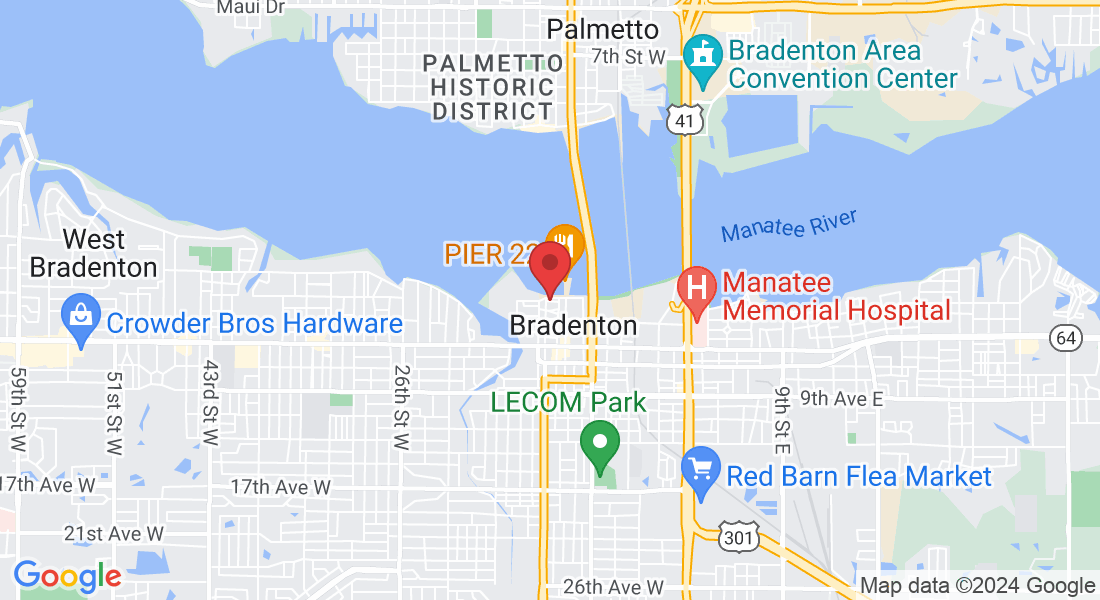
Visit Us At
Bradenton, FL, 34212
During these Hours of Operation
From
Monday:
Open Time,
Eastern
To
Closing Time,
Eastern
Tuesday:
Open Time,
Eastern
Closing Time,
Eastern
Wednesday:
Open Time,
Eastern
Closing Time,
Eastern
Thursday:
Open Time,
Eastern
Closing Time,
Eastern
Friday:
Open Time,
Eastern
Closing Time,
Eastern
Saturday:
Open Time,
Eastern
Closing Time,
Eastern
Sunday:
Open Time,
Eastern
Closing Time,
Eastern
AdWise Creative, LLC
Phone: 941.307.7796
Bradenton, FL, 34212
© Copyright: AdWise Creative, LLC,
2026. All Rights Reserved.


This site is not a part of the Facebook website or Facebook Inc. Additionally, This site is NOT endorsed by Facebook in any way. FACEBOOK is a trademark of FACEBOOK, Inc.